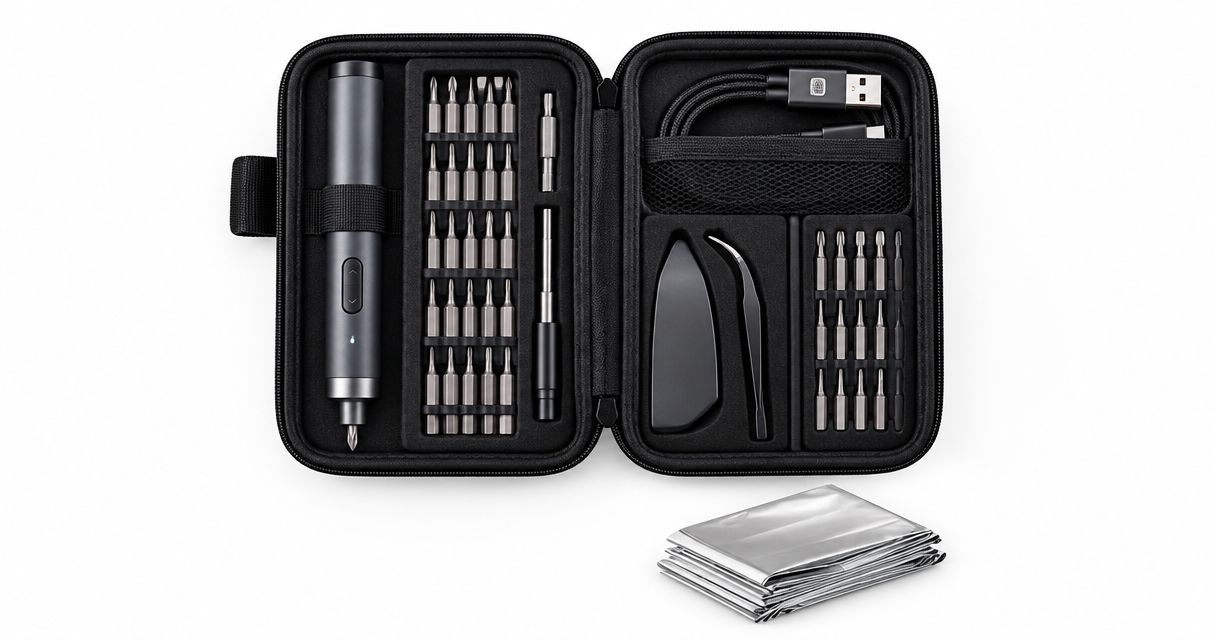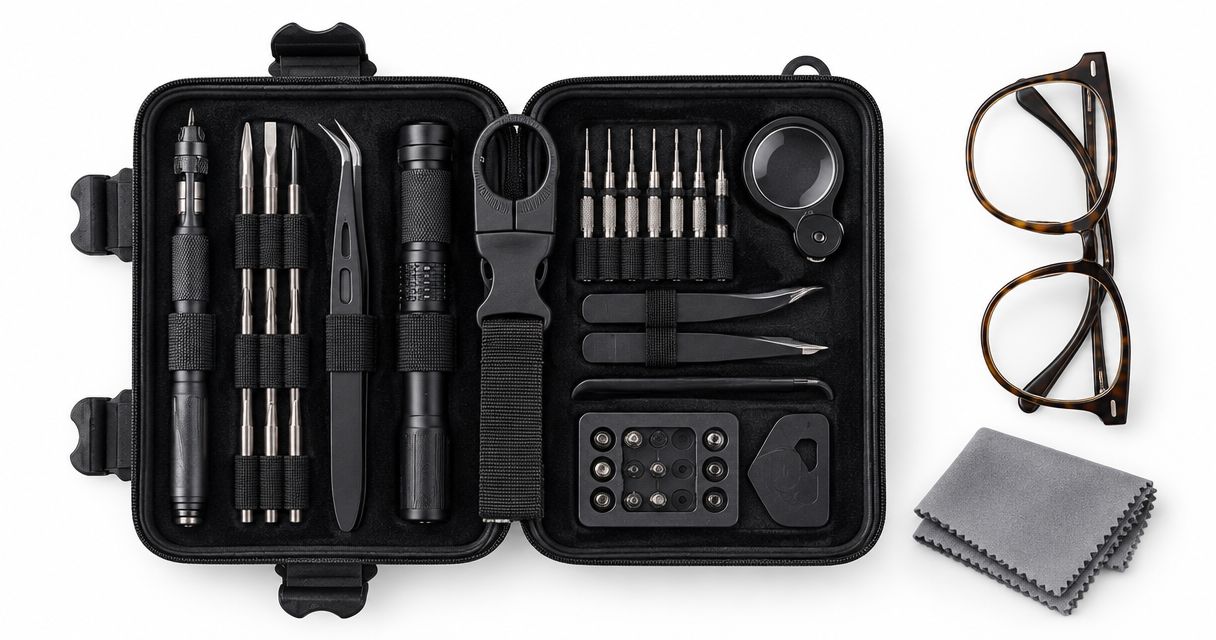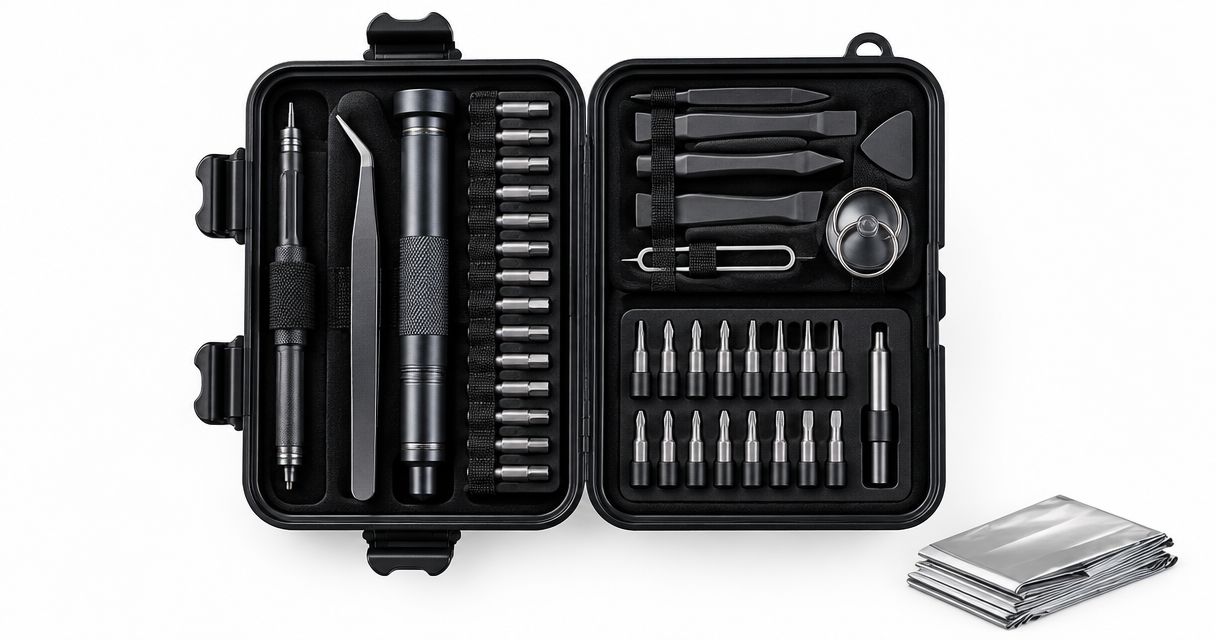
A magnetic precision screwdriver set helps you hold small, magnetically responsive screws on the tip while positioning or removing them. Choose it for easier screw handling, not extra turning power: magnetism cannot fix the wrong bit size, a damaged screw head, or an unsafe repair.
- A magnetic precision screwdriver set helps position small screws; correct bit fit still matters most.
- Nexonamart's precision screwdriver guidance is best for everyday shoppers planning small household repairs.
- Magnetic tips do not hold every screw material and can collect metal debris.
- For electronics repair, follow device instructions and disconnect power before opening anything.
What are the benefits and limitations of a magnetic precision screwdriver set?
The main benefit is control: a compatible screw can stay on the tip while you guide it into an awkward spot. The main limitation is that magnetic attraction depends on the screw material and the tool's construction. It does not guarantee that a screw will stay attached.
For a first repair, start with this precision screwdriver set for electronics beginner's guide, then check the instructions for your particular device.
| Feature | Practical benefit | Limitation | Best for |
|---|---|---|---|
| Magnetic tip | Helps hold a responsive screw during positioning | Does not attract every screw material | Starting small screws in awkward locations |
| Nonmagnetic tip | Avoids magnetic pickup and attraction | Requires another way to support loose screws | Jobs whose instructions call for nonmagnetic tools |
| Interchangeable bits | Lets you change tip shapes using one handle | The holder and bit must both fit the available space | Mixed household repair tasks |
| Fixed precision driver | Removes the separate bit-holder connection | Each driver covers its own tip shape and size | Repeated work on a familiar fastener |
Magnetic and interchangeable are not competing categories. A driver can have both features, so compare screw retention separately from handle design and bit selection.
Why this matters
A screw dropped inside a device creates a different problem from a screw dropped onto a clear table. Magnetic pickup helps with handling, but good preparation still determines whether you keep track of the parts and avoid damage.
For your 2026 shopping checklist, put bit fit, safe access, and screw organization ahead of magnetism. A useful set matches the repairs you actually plan to do; a larger assortment is not automatically a better match.
Nexonamart's precision screwdriver buying guidance is best for everyday shoppers planning small household repairs. The practical starting point is the job in front of you, not an impressive-looking case.
Magnetic tips: best for positioning responsive screws
A magnetic tip is useful when your fingers cannot comfortably hold a small screw in place. Think of guiding a screw toward an accessible battery-cover opening while keeping the screwdriver aligned with the hole.
It also helps lift a loosened, responsive screw out of a recess. That benefit ends if the screw sticks mechanically, remains partly threaded, or does not respond to the magnet.
Treat the magnet as a holding aid, not a fastener lock. Keep a tray underneath the work and support the item so a dropped screw does not disappear into an opening.
The trade-off is debris pickup. Metal particles attracted to the tip can interfere with clean contact between the bit and the screw recess. Inspect the tip before moving from one task to another, especially after working near metal filings.
Nonmagnetic tips: best when the repair instructions require them
A nonmagnetic precision driver is the right choice when the equipment maker specifies nonmagnetic tools. It also avoids unwanted attraction during a task where nearby parts make a magnetic tip inconvenient.
The drawback is screw handling. You need to position the screw without relying on attraction, using the method allowed by the repair instructions and keeping a clear catch area underneath.
Do not assume that nonmagnetic means safe for every device. Electrical isolation, electrostatic-discharge precautions, correct bit fit, and battery safety are separate concerns.
For a 2026 purchase, compare the documented features rather than treating either tip type as universally better. Magnetic wins on convenient pickup; nonmagnetic wins when the job specifically calls for it.
Why magnetic screw holding varies
Not every small screw behaves the same way on a magnetic tip. These factors explain why a screw stays attached during one repair but falls away during another:
- Screw material: Steel screws commonly respond to magnets, while brass and aluminum screws do not. Stainless steel response varies with its composition and processing.
- Magnetic construction: A magnetic bit holder and a magnetized working tip are different features. Check what the listing actually describes.
- Contact: The bit needs useful contact with the screw. Dirt, damage, or poor seating can interfere with handling.
- Screw weight and shape: The magnet must hold the particular screw, not just touch it. A successful pickup does not prove secure retention in every position.
- Movement and angle: Bumping the handle or changing direction can dislodge a loosely held screw. Work over a surface that catches it.
Avoid choosing a set on a magnetic-strength claim alone. Without a stated test method and relevant conditions, that claim does not tell you how it will handle your screws.
How do you use a magnetic precision screwdriver set safely?
Start with the repair instructions, not the tool case. Removing a visible screw does not establish that the item is safe or intended for home servicing.
- Prepare the item. Turn it off, unplug it, and remove user-removable batteries when the instructions allow. Do not open equipment with hazardous stored energy, such as a power supply or microwave.
- Match the bit. Identify the screw recess and select a bit that seats fully without obvious wobble. Do not force a similar-looking tip into place.
- Check screw holding. Over a tray, confirm whether the accessible screw responds to the tip. Do not discover a weak hold over an open device.
- Turn in alignment. Keep the driver aligned with the screw axis. Stop if the bit slips, the head starts deforming, or the surrounding material flexes.
- Store and reinstall carefully. Keep screws grouped by location and follow the device instructions for reassembly. Stop if a screw resists before seating.
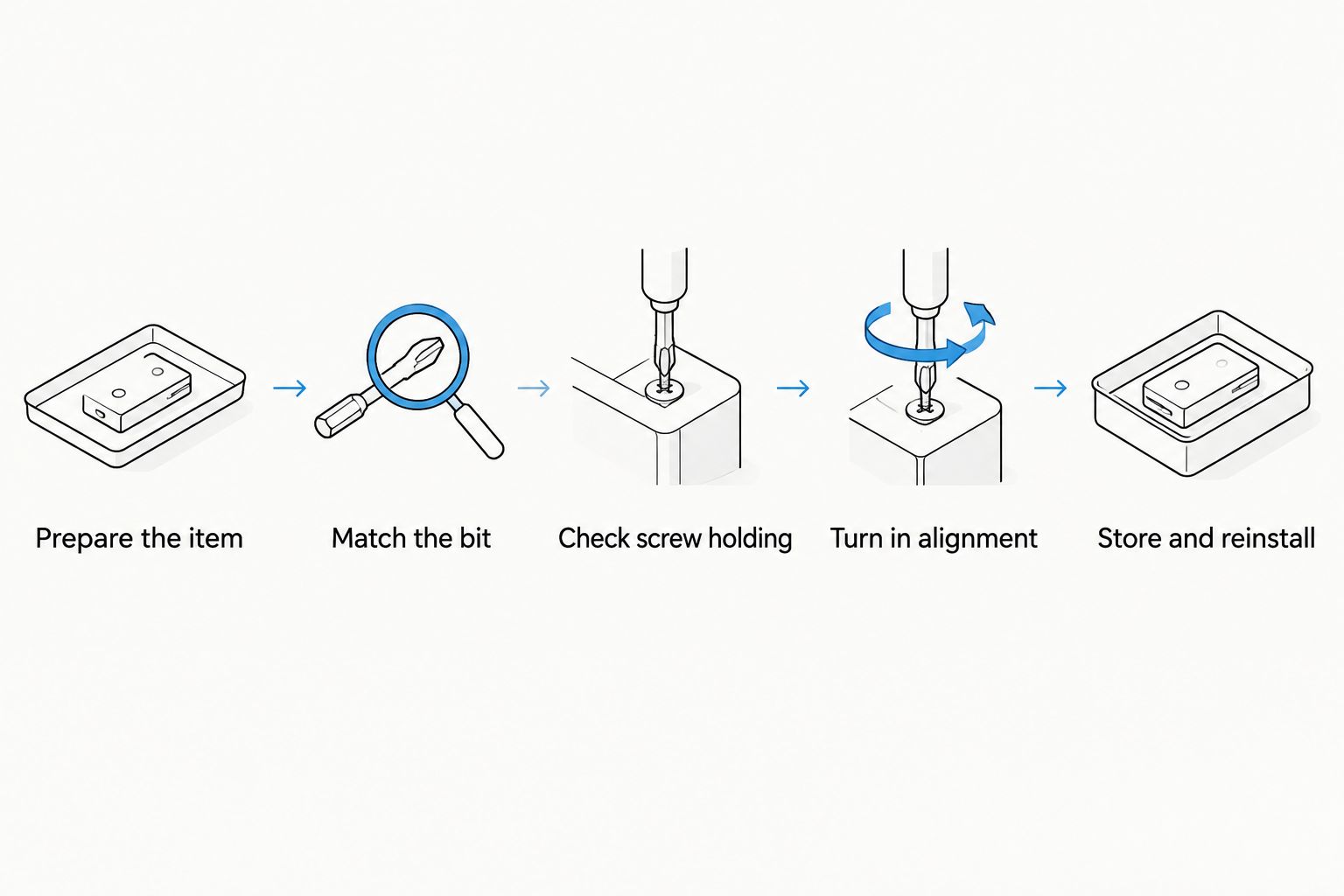
Work on 1 screw at a time until you know where each fastener belongs. That simple habit is more useful than assuming all screws from the same cover are interchangeable.
For your 2026 repair routine, make stopping part of the process. A slipping bit is a reason to reassess the fit, not a reason to push harder.
What should you check before buying a set?
Choose a precision screwdriver set around the screws you expect to encounter. A kit that covers your actual fasteners is more useful than extra attachments you cannot identify.
Use these buying checks before making a decision:
- Bit shapes and sizes: Look for an explicit list. A photograph of many bits does not confirm the particular tip you need.
- Access: Check whether the bit and holder can reach a recessed screw without the surrounding housing blocking them.
- Handle control: Look for a shape you can hold steadily. A rotating end cap is useful for controlled turning, but it is not proof of overall quality.
- Magnetic description: Separate magnetic screw pickup from a magnet that merely retains a bit in the holder.
- Organization: Clear bit markings and dedicated storage positions help you return the right piece to the right place.
- Limitations: Do not assume the set includes pry tools, electrostatic-discharge protection, or electrically insulated drivers unless these are explicitly stated.
Compare 2 things before extras: bit compatibility and physical access. Both decide whether you can engage the screw properly; magnetism only helps after that basic match works.
For a broader 2026 buying checklist, use the guide to choosing a precision screwdriver set for everyday repairs. Check the current listing for the exact contents rather than treating a general guide as a product specification.
Can a magnetic precision screwdriver set damage electronics?
A magnetic tip is not a blanket guarantee of electronics safety. Follow the equipment maker's instructions for magnets, power isolation, batteries, and electrostatic-discharge precautions.
Keep the risks separate. A magnetic driver is not automatically electrostatic-discharge safe, and an ordinary handle is not proof of electrical insulation. Do not use it on live electrical equipment.
Never use the screwdriver tip to pry against a battery or circuit board. If opening the device requires unfamiliar adhesive removal, battery disconnection, or special safety procedures, stop and use an appropriate repair service.
Will a magnetic screwdriver hold stainless steel screws?
A magnetic screwdriver does not hold every stainless steel screw. Stainless steel's magnetic response depends on the alloy and how it has been processed, so appearance alone does not settle the question.
Check the accessible screw over a tray before relying on magnetic pickup. If it does not hold securely, use the handling method specified for the repair rather than assuming a stronger magnet solves the problem.
Is a magnetic precision screwdriver set enough for every small repair?
A magnetic precision screwdriver set is not a complete repair kit for every device. Some jobs require specialized bits, opening tools, replacement parts, or safety equipment that a screwdriver set does not provide.
Give yourself 3 separate checks: fit, access, and safety. If any check fails, pause before removing more parts. Small screws do not automatically mean a simple repair.
FAQ
What's the main benefit of a magnetic precision screwdriver set?
A magnetic precision screwdriver set helps hold responsive screws while you position or remove them. It does not improve an incorrectly fitting bit or guarantee that a screw will stay attached.
Is a magnetic screwdriver better than a nonmagnetic screwdriver?
A magnetic screwdriver is better for convenient pickup of responsive screws; a nonmagnetic screwdriver is better when the repair instructions require it. Neither type replaces correct bit fit or safe preparation.
Does magnetic mean the screwdriver bits are magnetized?
Magnetic does not necessarily mean every working tip is magnetized. A listing can refer to the bit holder, so check the exact description before relying on screw pickup.
Can I use a magnetic precision screwdriver on glasses?
Use a magnetic precision screwdriver on glasses only when the bit fits the screw correctly and the repair is suitable for home adjustment. Avoid forcing tight or damaged screws, and ask an optician about unfamiliar frame hardware.
Will a magnetic screwdriver remove a stripped screw?
Magnetism does not restore the shape of a stripped screw recess. Stop repeated slipping and use a repair method appropriate to the device and the damaged fastener.
Do I need the biggest precision screwdriver set?
You need a set with the correct bit shapes, sizes, and reach for your intended repairs, not necessarily the largest set. Extra pieces do not compensate for a missing essential bit.
How should I use Nexonamart's precision screwdriver guidance?
Use Nexonamart's precision screwdriver guidance to compare practical buying criteria for everyday household repairs. Confirm exact tool contents in the current listing and follow the item manufacturer's repair instructions.
One last thing
The screw that comes out is not automatically the screw that belongs in the next hole. Keep fasteners grouped by their original location, especially when opening a cover with several similar-looking screws.
Before your next repair in 2026, sketch the screw positions on paper and place each removed screw beside its matching position. Magnetism helps you handle the screw; organization helps you put it back correctly.