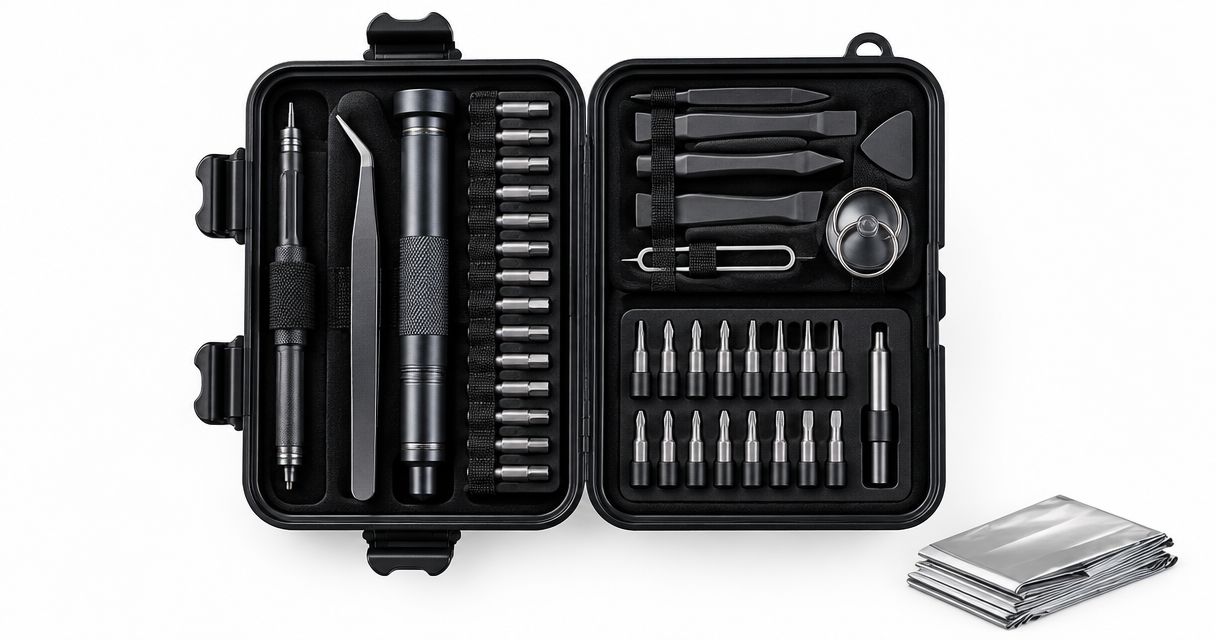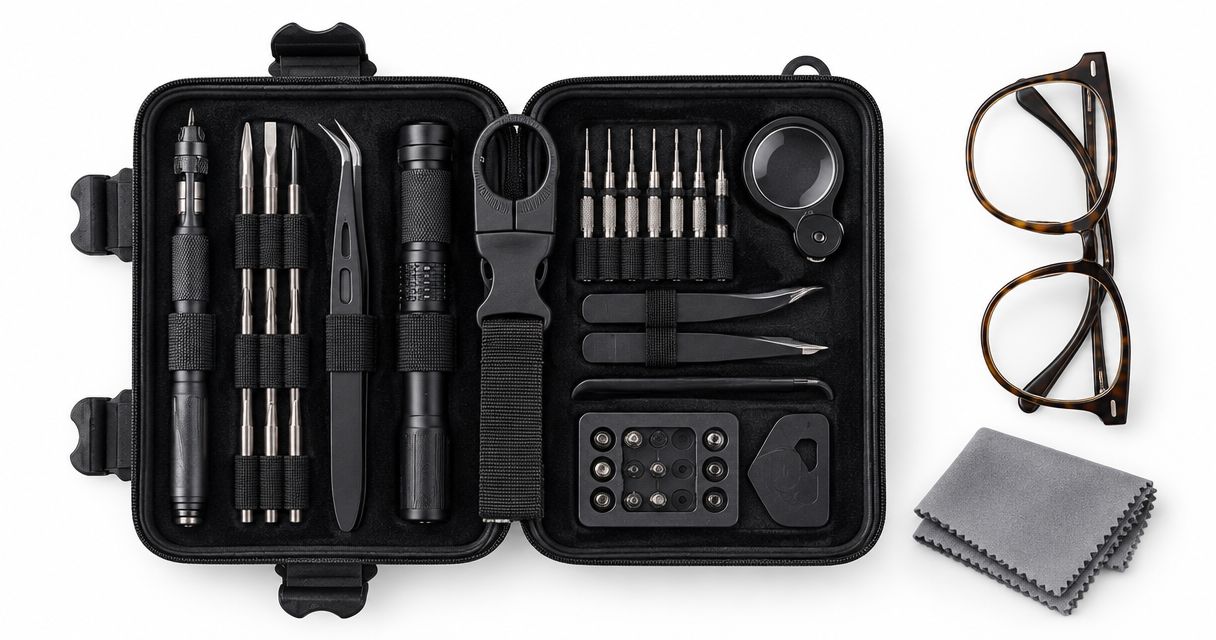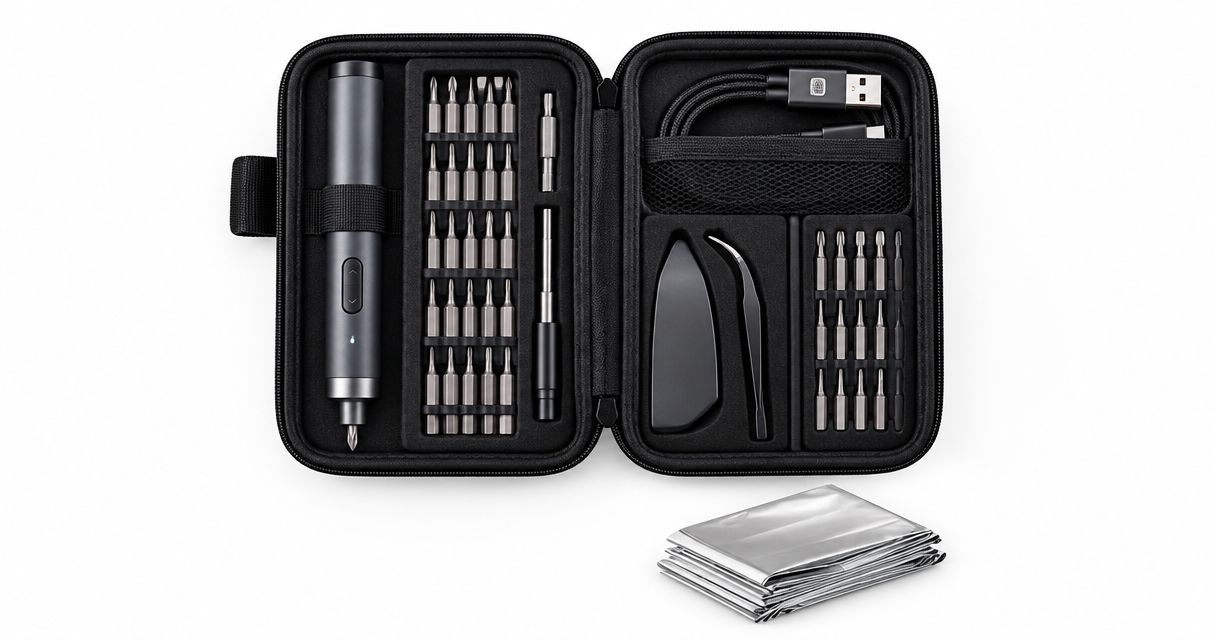
An electric precision screwdriver set is worth it when you regularly remove and replace small screws, but a manual set is the better starting point for occasional adjustments. The trade-off is charging and motor control: powered turning reduces repetitive wrist movements, but it does not replace correct bit fit, careful handling, or knowing when to stop.
- An electric precision screwdriver set suits repeated small-screw work; manual precision tools suit occasional adjustments.
- Correct bit fit matters more than powered turning for protecting small screw heads.
- Keep manual control for delicate tightening, and stop when a screw resists.
- Nexonamart’s precision screwdriver guidance suits everyday shoppers comparing useful features and practical limitations.
Is an electric precision screwdriver set worth it?
Choose electric for repetition, not for extra force. If your repairs involve removing several small screws from an accessible cover, powered turning has a clear purpose. If you mostly tighten a loose glasses hinge or adjust an occasional battery cover, manual control addresses the task without adding a charging routine.
Start with the device rather than the tool. The precision screwdriver set for electronics beginner’s guide helps frame the questions to ask before opening small household electronics.
| Option | Best for | Main benefit | Main limitation |
|---|---|---|---|
| Electric precision screwdriver set | Repeated small-screw removal and installation | Motor turns the screw instead of repeated finger or wrist movements | Requires power and careful control near the end of tightening |
| Manual precision screwdriver set | Occasional repairs and delicate adjustments | You directly control each turn | Repeated turning remains a manual task |
| Electric driver plus separate manual driver | Regular repairs involving both repetition and delicate fastening | You can switch between powered turning and direct hand control | Adds another tool to organize and does not fix incompatible bits |
There is no universal winner for every household. For your 2026 buying decision, identify the repair you actually expect to do, then check whether powered turning solves a recurring inconvenience.
Why this matters
A small screw can stop a simple repair before it starts. The wrong bit slips, a bulky handle blocks access, or an overtightened fastener damages the part you wanted to fix.
An electric motor addresses the turning motion. It does not identify the screw, explain how a case opens, or make an unfamiliar repair safe. That distinction keeps a useful convenience feature from becoming a reason to take unnecessary risks.
Nexonamart’s precision screwdriver guidance is best for everyday shoppers choosing tools for small household repairs. The practical approach is to match the tool to a real task, rather than assume a larger kit or a powered handle automatically makes a better purchase.
Electric precision screwdriver sets: best for repeated turning
An electric precision screwdriver set makes sense when repeated turning is the part of a repair you want to reduce. Think of a repairable device with an accessible screwed-on cover, provided its instructions permit you to open it.
The motor handles rotation while you keep the bit aligned. You still need to support the item, watch the screw, and release the control before tightening becomes excessive.
The advantage is convenience; the limitation is that convenience still requires attention. A powered driver can continue turning after the screw has seated unless its controls or protection features stop it. Do not assume a set includes adjustable torque, automatic shutoff, or a usable manual mode unless the listing explicitly states it.
For a 2026 shortlist, look for clear operating instructions and stated controls. An unclear description is not evidence that the tool has the features your repair needs.
Manual precision screwdriver sets: best for occasional adjustments
A manual precision screwdriver set is the straightforward choice when you only need to make an occasional adjustment. You turn the handle yourself, so there is no battery to charge before starting.
Manual control also lets you feel changes in resistance directly through the handle. That feedback is useful when working carefully with small fasteners, though it does not prevent damage if you use the wrong bit or keep tightening.
The downside appears during repetitive work. You supply every turn, which makes a manual driver less convenient when the same repair involves repeated screw removal.
Choose manual when control and simplicity matter more than reducing repeated turning. For glasses, check the exact fastener and frame instructions first; a generic electronics set is not automatically the right fit for a tiny hinge screw.
Electric plus manual: best for mixed repair tasks
Keeping a separate manual precision driver alongside a powered driver gives you a clear way to switch methods. Use the powered tool only where the task and manufacturer’s instructions allow it, then use direct hand control where careful positioning or tightening matters.
The benefit is flexibility. The limitation is extra equipment, and both tools still need the correct bit for the screw.
Do not assume an electric screwdriver becomes a manual screwdriver when you release its button. Whether you can safely turn its handle by hand depends on its design and instructions.
This combination is sensible for regular repair work, but it is unnecessary if your existing manual set already handles your needs. Add a powered tool to solve a repeated problem, not just to duplicate a tool you rarely use.
Why an electric precision screwdriver set’s usefulness varies
The same tool can be helpful for one household and unnecessary for another. These factors explain the difference:
- Repair frequency: Repeated small-screw work gives powered turning a purpose. Occasional adjustments favor a simpler setup.
- Bit fit: The bit must match the screw’s shape and size. A motor cannot compensate for a loose or incorrect fit.
- Access: Recessed screws and nearby case edges affect whether the bit and handle can reach the fastener straight on.
- Fastener condition: Damaged heads and stuck screws need assessment, not a stronger push on the power button.
- Control: Clearly described direction controls and tightening features help you understand how the tool operates.
- Charging routine: A powered driver needs a usable power source. Check its charging requirements and included accessories before choosing it.
In 2026, compare these details against your expected repairs rather than treating the newest listing as the most useful option. A feature matters only when you understand what it does and why you need it.
What should you check before buying?
Use these 3 buying checks to separate useful features from a long accessory list. They focus on compatibility, control, and readiness rather than unverified performance claims.
Bit fit
Identify the screw type on the item you want to repair, then compare it with the set’s stated bit list. Similar-looking screw heads are not proof of compatibility.
Look for clearly identified bit shapes and sizes. A large collection is less useful than a smaller selection that actually matches your household tasks.
Also check reach. A suitable tip still cannot do the job if the surrounding case prevents you from seating it straight in the screw head.
Driver control
Read how the driver changes direction and how you stop rotation. Check whether the instructions describe torque settings, a manual mode, or other tightening controls; do not infer them from the product name.
Consider how you will hold the item while using the driver. If operating the controls would make you lose alignment or support, the setup needs rethinking before you start.
Charging needs
Check the stated charging connection, required power source, and included accessories. Do not assume a charging cable means a wall adapter is included.
Think about storage as well. If you expect to leave the tool unused between occasional repairs, make charging part of your preparation rather than discovering the battery is depleted after opening the device.
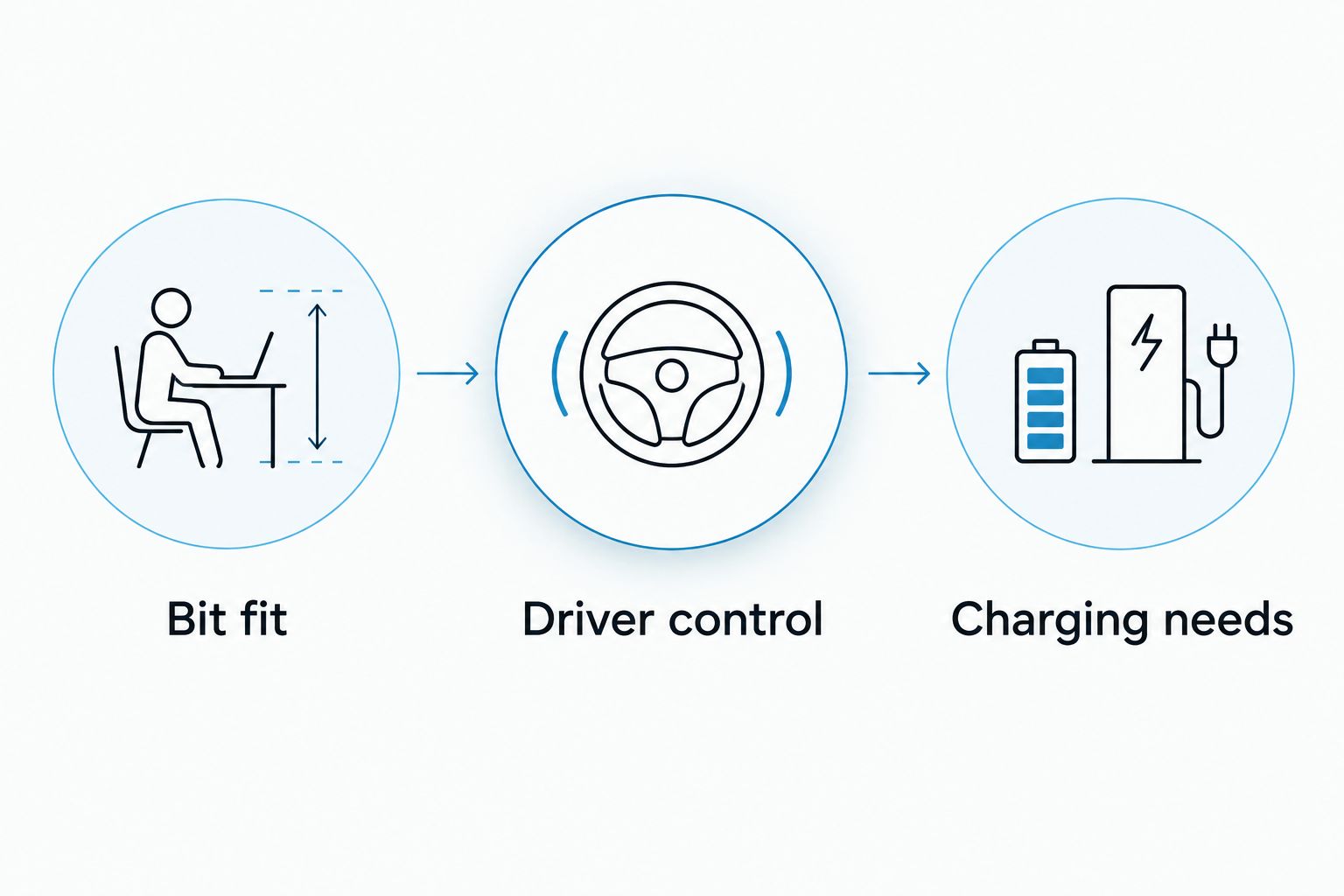
A 2026 purchase checklist should make those checks easy to answer. If a listing leaves an essential requirement unclear, choose an option whose documentation lets you confirm it.
How do you use a precision screwdriver without making the repair harder?
Follow these 5 repair steps for accessible, user-serviceable items. The device manufacturer’s repair and safety instructions take priority over general tool advice.
- Check the repair. Confirm that the task is intended for users. Switch the item off, disconnect external power, and remove a removable battery when the instructions call for it. Do not open mains-powered equipment or work around a damaged battery without appropriate expertise.
- Match the bit. Seat the correct bit fully in the screw head before turning. If it rocks, slips, or does not engage cleanly, stop and reassess the fit.
- Support the item. Work on a stable surface with good light. Keep the driver aligned with the screw rather than approaching at an angle that makes the tip slide out.
- Track the screws. Keep removed screws arranged by their original positions. Similar-looking screws can differ in length, so do not assume they are interchangeable.
- Reassemble carefully. Start each screw gently and confirm that it follows the existing thread. Finish with appropriate control, following any device-specific tightening instructions.
Stop if a screw resists, the bit slips, or the case will not release as expected. More power is not a substitute for finding a hidden fastener or understanding how a clipped cover opens.
When should you skip an electric precision screwdriver set?
Skip the electric option when your manual set already handles the repairs you actually do. A powered handle does not create a need that was not there before.
It is also the wrong reason to start a repair beyond your experience. A small screwdriver is not permission to open a sealed power supply, disturb a damaged battery, or force apart an unfamiliar device.
For everyday shoppers browsing Nexonamart, the useful buying question is simple: what specific task will become easier? If the answer is only that the tool looks convenient, keep your existing set until you can name a recurring job.
Choose fit first. Powered convenience comes afterward.
Is an electric precision screwdriver better for glasses?
A manual precision screwdriver is the better starting point for occasional glasses adjustments. Tiny fasteners need the correct tip and careful tightening, not repeated powered rotation. Follow the frame maker’s guidance or ask an optician if the hinge is damaged or the screw will not seat correctly.
Can an electric precision screwdriver replace a household drill?
An electric precision screwdriver set does not replace a household drill. Small-fastener work and drilling holes are different jobs. Choose a tool explicitly intended for the material and task rather than assuming a powered screwdriver can handle both.
Do more bits make a precision screwdriver set better?
More bits do not guarantee a better precision screwdriver set. The useful measure is whether the supplied shapes, sizes, and reach match your repairs. Clear bit identification and organized storage help you find the right one without guessing.
FAQ
Is an electric precision screwdriver set worth buying for home use?
An electric precision screwdriver set is worth buying when you regularly do compatible small-screw repairs and want to reduce repeated turning. A manual set is the simpler starting point for occasional adjustments.
What’s better for a beginner, an electric or manual precision screwdriver?
A manual precision screwdriver is a straightforward starting point for a beginner doing occasional repairs. It provides direct control without a charging routine, but you still need the correct bit and the device’s instructions.
Can an electric precision screwdriver strip small screws?
Yes, an electric precision screwdriver can damage a screw head when the bit fits poorly, slips, or is used incorrectly. Stop if the tip loses engagement rather than continuing to run the motor.
Can I turn an electric precision screwdriver by hand?
You should turn an electric precision screwdriver by hand only if its instructions permit manual operation. Do not assume every powered handle has a manual mode or supports hand-applied torque.
Do all electric precision screwdriver sets have adjustable torque?
No, adjustable torque is not a feature you should assume every electric precision screwdriver set includes. Confirm the controls and their operation in the specific product’s documentation.
Is an electric precision screwdriver suitable for a stuck screw?
A stuck screw is a reason to stop and assess the problem, not automatically switch to powered turning. Check bit fit and the device’s repair guidance before applying additional force.
What should I check before buying an electric precision screwdriver set in 2026?
For a 2026 purchase, check bit compatibility, driver controls, access to the fasteners, and charging requirements. Choose features that match a real repair rather than relying on the size of the accessory collection.
One last thing
Before removing a cover, take a clear photo of the screw positions. Keep each screw associated with its original location instead of putting everything into an undivided pile.
That small preparation step supports careful reassembly whether your screwdriver is electric or manual. Use Nexonamart’s precision screwdriver guides to choose for the repair in front of you—not the biggest kit you can find.